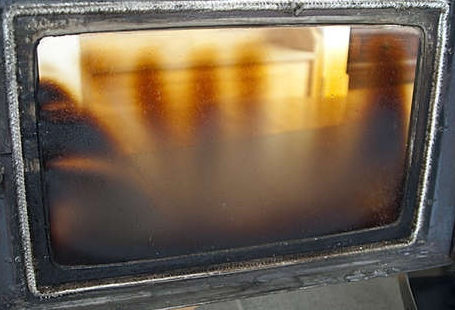
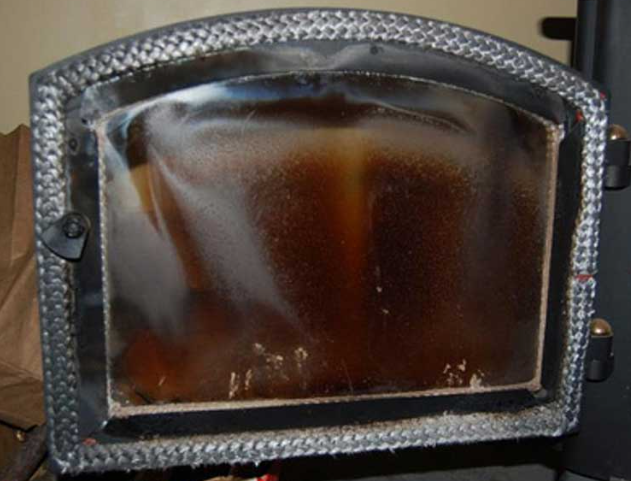
Why Stove Glass Keeps Going Black and How to Fix It 🔥🔥🔥: If your stove glass keeps going black, you’re dealing with one of the most common problems faced by wood-burning and multi-fuel stove owners. Blackened stove glass not only looks unsightly but is also a sign that your stove isn’t burning as efficiently as it should. Understanding why stove glass turns black is the first step to keeping it clear and improving overall stove performance.
The most common reason stove glass goes black is damp or poor-quality fuel. Wood with a high moisture content produces excessive smoke and tar when burned, which quickly sticks to the glass. Instead of clean flames, the fire smoulders at a lower temperature, allowing soot and creosote to build up. Multi-fuel stoves can suffer the same issue when incorrect fuel types or low-grade fuels are used.
Restricted airflow is another major cause of black stove glass. When a fire does not receive enough oxygen, it burns inefficiently and produces more smoke. Closing the air vents too soon or running the stove with minimal airflow prevents the fire from reaching a high enough temperature to keep the glass clean. Modern stoves rely on an airwash system to direct air over the glass, and if airflow is limited, this system cannot work properly.
Low burning temperatures also contribute heavily to stove glass blackening. Slumbering the stove for long periods or burning small, weak fires allows soot to settle on the glass. Fires need to burn hot enough to burn off deposits naturally, and consistent low-temperature burning almost guarantees blackened glass over time.
Chimney and flue problems can make the issue worse. A blocked or restricted flue reduces the stove’s draw, meaning smoke is not pulled away efficiently. This causes smoke to linger inside the stove and coat the glass. Poor chimney draft, soot buildup, or an incorrectly sized flue can all play a role in how quickly stove glass turns black.
How the stove is loaded and operated also matters. Overloading the firebox, packing logs too tightly, or using oversized logs can restrict airflow inside the stove. When flames cannot move freely, combustion suffers and soot production increases. Similarly, shutting down air controls too quickly after refuelling can lead to dirty glass.
To fix black stove glass, the first step is to use properly seasoned or kiln-dried wood with a low moisture content. Allowing the stove to burn hotter for short periods helps activate the airwash system and burn off soot deposits. Keeping air vents open during start-up and refuelling ensures the fire has enough oxygen to burn cleanly.
Regular chimney sweeping is also essential. A clean flue improves draft, reduces smoke buildup, and helps the stove burn more efficiently. Checking that air vents and airwash channels are clear will also help keep the glass cleaner for longer.
If the glass is already black, cleaning it with a stove glass cleaner or a damp cloth dipped in fine ash can restore clarity. However, frequent cleaning is only a temporary fix if the underlying cause is not addressed.
In most cases, stove glass keeps going black because the fire is not burning hot or clean enough. By using dry fuel, maintaining proper airflow, and avoiding long periods of low-temperature burning, you can keep your stove glass clear and enjoy a more efficient, better-looking fire. If the problem persists, a professional stove inspection can help identify installation or airflow issues that may be affecting performance