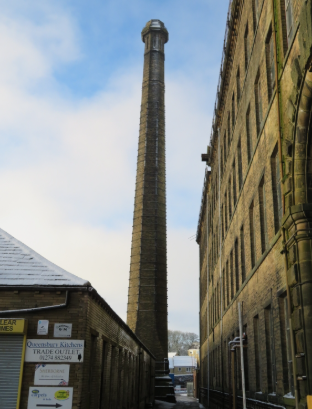
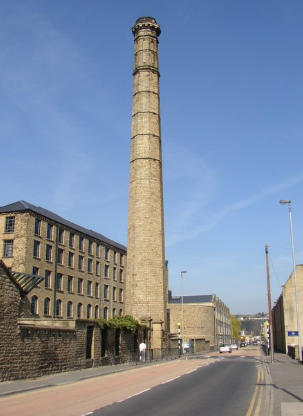
Sweeping the Skies: How Factory and Mill Chimneys Were Cleaned in the UK “Back in the Day”: When we think of industrial Britain during the 18th and 19th centuries, images of towering brick chimneys spewing coal smoke come to mind. These smokestacks were symbols of the Industrial Revolution’s might—but they were also soot-clogged fire hazards. Keeping them clean was essential, and the job of sweeping them was one of the dirtiest—and most dangerous—of the time.
Why Chimney Sweeping Was So Important
Factory and mill chimneys, unlike household flues, were massive—often over 100 feet tall—and could be more than a yard wide. Burning coal for steam power produced layers of sticky, tarry soot inside the flues. If left unchecked, this buildup could ignite, causing devastating chimney fires that endangered both workers and equipment.
Regular sweeping not only reduced this risk but also improved air draw and fuel efficiency. However, the job was nothing like the romanticized image of the chimney sweep made famous by Mary Poppins.
Enter the “Climbing Boys” (and Sometimes Girls)
In the early days of chimney sweeping, both domestic and industrial, children were often employed to clean chimneys. Known as “climbing boys” (despite sometimes being girls), these children—some as young as five or six—were small and agile enough to shimmy up inside narrow flues, scraping away soot as they went with hand tools or brushes.
In factories and mills, where chimneys were far wider and taller, children were still used, but often in different roles—especially before proper tools were invented. They might be lowered into chimneys with ropes to scrape the walls, or forced to climb inside to dislodge soot with metal scrapers.
These practices were not only cruel but dangerous. Many children suffered from burns, falls, respiratory illness, and even cancer (specifically “chimney sweep’s carcinoma,” one of the first occupational cancers ever identified).
The Shift to Mechanical Sweeping
By the mid-19th century, growing public outcry and new laws began to change how chimneys were cleaned. The Chimney Sweepers Act 1834 (and later acts in 1840 and 1875) outlawed the use of children under 10 and eventually under 21 for sweeping chimneys.
In their place came a new innovation: the mechanical chimney brush. These devices consisted of long, flexible rods with stiff brushes or scrapers at the end. Workers could insert them from the top or bottom of a chimney, pushing or pulling the soot down into containers for removal.
In factories, sweeps would often climb onto rooftops or use scaffolding to access chimney tops. Some flues had platforms or ladders built in to aid cleaning. Specialized crews began to form, equipped with brushes, chisels, and sometimes even explosives to break through hardened soot or blockages in particularly stubborn flues.
A Dirty Job Gets Professionalized
By the early 20th century, chimney sweeping had become more regulated and professional. Factories and mills often contracted specialist firms to maintain their chimneys. These sweeps wore protective gear, used powerful tools, and followed strict procedures for safety and cleanliness.
Today, many of those iconic smokestacks still dot the skylines of Britain’s former industrial towns, though few are active. They’re relics of a time when keeping the fires of industry burning required not just coal and steam—but the sweat and bravery of those who dared to clean the chimneys from within.
Final Thoughts
Chimney sweeping in factories and mills wasn’t just about soot and brushes—it was about survival in a time of rapid industrial growth. The evolution from child labor to mechanical tools reflects a broader shift in how society viewed both work and workers.
So next time you see an old factory chimney piercing the sky, take a moment to think of the people who once climbed its sooty walls—armed with nothing more than a scraper, some rope, and sheer nerve.