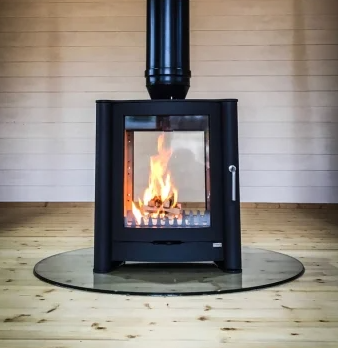
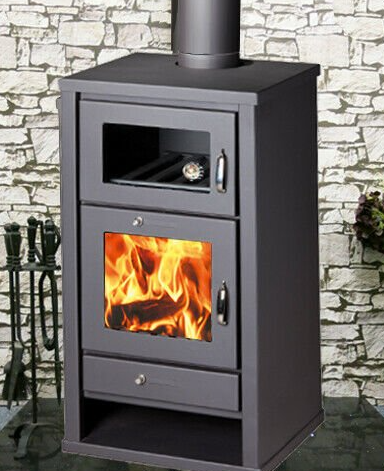
Why Your Wood or Multi-Fuel Stove Isn’t Getting Hot Enough: If your wood or multi-fuel stove isn’t getting hot enough, you’re not alone. This is a common issue for homeowners, especially during colder months when stoves are used more frequently. The good news is that the problem is rarely serious and is often caused by fuel quality, airflow, or maintenance issues.
One of the main reasons a wood-burning or multi-fuel stove fails to produce enough heat is damp or poor-quality fuel. Logs with high moisture content burn inefficiently, producing more smoke than heat. Instead of warming your home, much of the fire’s energy is wasted evaporating water from the wood. For multi-fuel stoves, using incorrect or low-grade fuel can also significantly reduce heat output and overall stove efficiency.
Airflow plays a critical role in how hot a stove burns. Without enough oxygen, the fire cannot reach the high temperatures needed to heat a room properly. If air vents are closed too early, blocked by ash, or restricted by debris, combustion becomes weak and sluggish. Over time, even small airflow restrictions can make a noticeable difference to stove performance.
Chimney and flue issues are another common cause of a stove not getting hot enough. A blocked or partially obstructed flue prevents hot gases from escaping, which in turn reduces the fire’s intensity. Soot and creosote buildup can restrict the flue, while poor chimney draw can stop the stove from burning efficiently. Regular chimney sweeping and correct flue operation are essential for both safety and heat output.
Stove size is often overlooked but can have a major impact on how warm your space feels. If your stove is too small for the room, it simply won’t generate enough heat. Large rooms, open-plan living areas, or homes with poor insulation require a higher kilowatt output to maintain comfortable temperatures. In these cases, even a well-functioning stove may feel underpowered.
The way a stove is used also affects how hot it gets. Overfilling the firebox, using oversized logs, or closing down the air controls too quickly can all reduce heat. A stove needs time and proper airflow to build temperature, and incorrect operation can limit its performance even when everything else is in good condition.
Heat loss within the room can also give the impression that the stove isn’t working properly. Draughts, poorly insulated walls, open doors, and high ceilings allow warm air to escape before it can circulate. Improving insulation and helping heat move around the room can dramatically improve comfort levels.
In most cases, a wood or multi-fuel stove not producing enough heat can be resolved by using dry fuel, ensuring good airflow, and keeping the flue and chimney well maintained. When correctly installed and operated, a stove should provide strong, efficient heat and create a warm, inviting living space. If the problem continues, a professional stove inspection can help identify any underlying issues and ensure your system is working safely and effectively.